Electric Fence Tester Explained: A UK Buyer's Guide
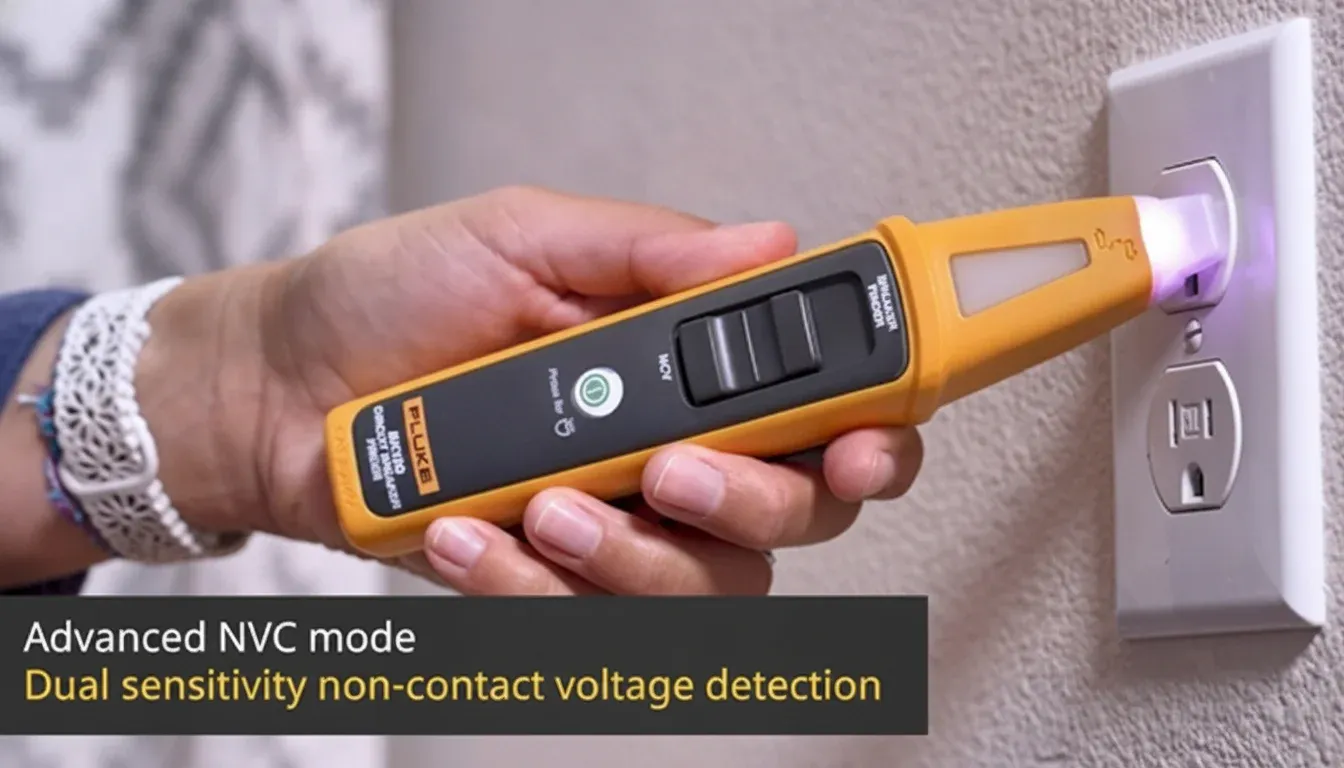
TL;DR: An electric fence tester checks the voltage on your fence line so you can confirm the fence is live, strong enough to contain livestock and easier to fault-find when performance drops. For most UK users, a good tester should be easy to read outdoors, robust in wet field conditions and accurate enough to spot voltage loss caused by poor earthing, vegetation, broken wire or a weak energiser.
Key Takeaways
- An electric fence tester measures the voltage running through an electric fence so you can confirm the line is live and performing properly.
- For most UK livestock fencing, poor voltage usually points to earthing faults, vegetation contact, broken conductors, weak energisers or damaged connections.
- A good tester should be easy to read outdoors, robust enough for field work and suitable for the voltage range used on farm and perimeter fencing.
- Anyone working across wider electrical testing jobs may benefit from pairing fence-specific tools with a compact meter built for professional diagnostics.
- If you also need broader testing knowledge, see The Ultimate Guide to Voltage Continuity Testers in the UK.
An electric fence tester is used to measure the voltage on an electric fence so you can quickly tell whether the fence is live and whether it is delivering a strong enough pulse to work properly. In practice, it helps UK farmers, smallholders and horse owners check fence performance, identify weak sections and trace faults before animals escape or boundaries fail.
A fence can look perfectly intact and still fail where it matters most: voltage at the wire. That is why an electric fence tester is not a nice-to-have on a smallholding, equestrian yard or livestock farm. Instead, it is often the fastest way to confirm whether your fence is doing its job, whether that means containing animals, protecting boundaries or tracing a fault before it becomes a bigger problem.
In the UK, electric fencing is used across agriculture, paddocks and temporary grazing systems because it is flexible, cost-effective and quick to install. However, performance depends on regular testing. A weak pulse may leave cattle pushing through, horses leaning on tape or predators finding an opening. A proper tester gives you evidence rather than guesswork.
Based on our review of common buyer needs and real-world outdoor use cases, the best results usually come from choosing a tester that matches both your fence length and how much fault-finding detail you actually need. PocketDigita’s main site focus is clear: compact, professional-grade pocket testing for UK electricians, engineers and serious DIYers. That same practical mindset applies here. Buy for clear readings, dependable use in British conditions and the level of diagnostic detail your work actually requires.
What is an electric fence tester?
An electric fence tester is a tool used to measure the voltage present on an electrified fence line. In simple terms, it tells you whether the energiser’s pulse is reaching the wire at a usable level. Some testers provide only a rough indication through LEDs or stepped markers. Others show an exact voltage reading on a digital display.
The purpose is straightforward: if your fence is underperforming, the tester helps confirm whether power output is strong enough and where along the line losses are occurring. As a result, you can identify problems that are not obvious by eye alone. A single cracked insulator, poor earth stake or section of wet vegetation can drag voltage down significantly.
For buyers comparing field tools with broader electrical instruments, it also helps to understand where an electric fence tester sits among other diagnostic devices. Fence testers are application-specific. They are designed around pulsed high-voltage fence systems rather than general domestic or industrial circuits. If you want to understand how that differs from wider electrical fault-finding tools, PocketDigita’s Voltage Continuity Tester Explained: A UK Buyer's Guide offers useful context.
Why does regular electric fence testing matter in the UK?
British weather is hard on outdoor electrical systems. For example, rain-soaked grass touching lower strands, muddy ground conditions affecting earthing performance and seasonal corrosion at joints can all reduce effectiveness. Therefore, a fence that tested well in dry weather may behave very differently after prolonged rainfall.
There is also a welfare and safety angle. Electric fences are commonly used where reliable containment matters every day, including cattle grazing land, sheep enclosures and horse paddocks. According to UK health and safety guidance and HSE reporting on agriculture as a higher-risk sector for workplace incidents, outdoor equipment should be maintained properly rather than checked casually.
Testing also supports efficient maintenance spending. Instead of replacing random parts of a system, you can narrow down where voltage drops begin and deal with the real cause first. Consequently, busy operators save both labour time and unnecessary purchases.
How does an electric fence tester work?
How does it measure fence voltage?
An energiser sends short high-voltage pulses along the fence line. The tester reads those pulses by making contact with the conductor and referencing earth. The result appears either as indicator lights or as a numeric reading in volts or kilovolts.
What counts as a healthy reading on an electric fence?
The exact target depends on your animal type, energiser specification and fence design. Many livestock systems aim to maintain several thousand volts on the line so animals receive a clear deterrent without causing unnecessary harm when correctly installed and maintained under relevant safety guidance.
If readings are much lower than expected near the energiser output or they fall sharply further down the run, there is likely a fault somewhere in the system rather than simply “a weak fence”.
Can you use a normal voltage tester on an electric fence?
No ordinary mains assumption should be made here. An electric fence does not behave like standard mains wiring because its output is pulsed and designed around containment rather than continuous supply. Therefore, generic testing approaches can be misleading unless you are using suitable equipment correctly.
If you regularly work across multiple testing categories, it helps to build your knowledge of core electrical measurement principles too. PocketDigita’s pillar guide on voltage continuity testers in the UK covers broader fundamentals that sit alongside specialist tools such as these.
What types of electric fence tester are available?
What is a simple indicator electric fence tester?
These are basic units that show approximate voltage bands using lights or markers. They tend to be affordable and easy to use in rough outdoor settings. If your aim is simply checking whether power exists at various points around a field boundary, they can be enough.
- Best for quick go/no-go checks
- Usually lower cost
- Less precise than digital options
- Can be harder to interpret in bright sunlight depending on display style
Is a digital electric fence tester better?
A digital model gives a specific voltage reading rather than a rough band. Because of that, fault-finding becomes easier since you can compare readings along different sections of line more accurately.
- Better for diagnosing gradual losses
- Easier to log readings over time
- Useful where multiple paddocks or long runs are involved
- Tends to suit serious users who want evidence-based maintenance
Ready to upgrade to PocketDigita?
Upgrade Your Toolkit — £186.19