Voltage Continuity Tester Explained: A UK Buyer's Guide
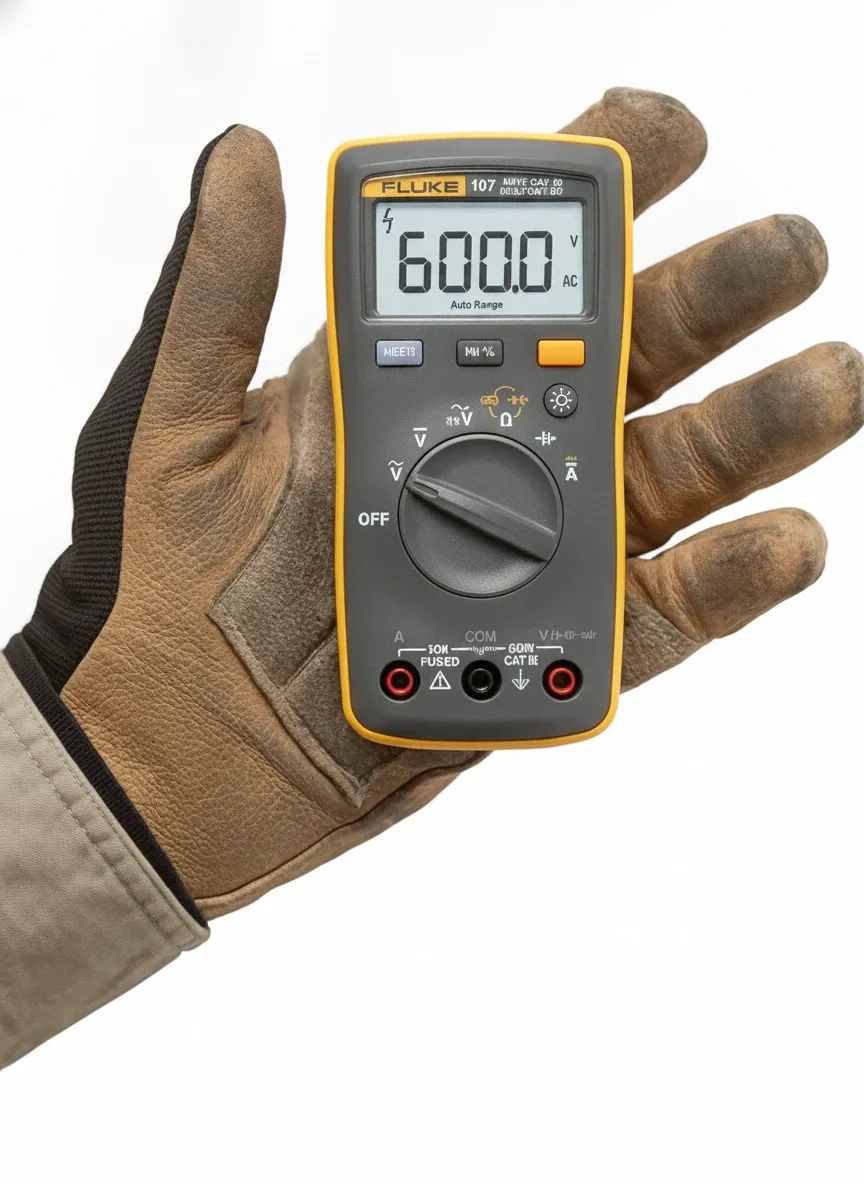
TL;DR: A voltage continuity tester is an essential two-pole diagnostic tool used to safely detect the presence of live electrical voltage and confirm that a circuit's path is unbroken (continuity). In the UK, these devices must comply with GS38 safety regulations to prevent fatal shocks during safe isolation procedures.
According to the Health and Safety Executive (HSE) and established UK guidelines, contact with electricity causes approximately 1,000 workplace accidents annually, alongside thousands of domestic incidents. Consequently, for electricians, engineers, and competent DIYers, verifying that a circuit is safely isolated before commencing work is not just a regulatory requirement under the Electricity at Work Regulations 1989—it is a critical, life-saving practice. At the absolute centre of this safety protocol sits the voltage continuity tester, a purpose-built device designed to definitively prove whether a wire is live and if its path is complete.
Navigating the sheer volume of test equipment on the market can certainly be daunting. From basic neon screwdrivers (which modern safety standards strongly discourage) to highly complex diagnostic units, selecting the right tool requires an understanding of UK-specific safety compliance, precise functionality, and ergonomic design. Based on our extensive testing at PocketDigita, we know that choosing reliable, professional-grade equipment is the best way to prevent fatal errors on site.
Furthermore, this guide breaks down exactly what a voltage continuity tester does, the critical UK regulations you must adhere to, and the specific features that separate high-quality instruments from substandard alternatives.
Key Takeaways
- Core Function: A voltage continuity tester safely detects the presence of electrical potential and confirms unbroken circuit paths.
- UK Compliance: Any tester used in the UK must adhere strictly to GS38 guidelines, featuring finger guards and maximum 4mm exposed probe tips.
- Ghost Voltage: Low-impedance functionality is essential to bypass capacitive coupling (phantom voltage) common in parallel cable runs.
- Safety Ratings: A minimum of CAT III 600V is required for domestic consumer units, whilst CAT IV is necessary for supply origin testing.
What is a voltage continuity tester used for?
Fundamentally, a voltage continuity tester is a dedicated, two-pole diagnostic tool engineered to perform two primary tasks: confirming the presence (or absence) of voltage across a circuit and verifying that an electrical path is complete (continuity). Unlike standard single-pole voltage pens, which only indicate the presence of an electromagnetic field, a two-pole tester provides a definitive measurement by physically completing a circuit between two test points.
How does a tester detect voltage?
When placed across a live and neutral terminal, or live and earth, the device measures the potential difference. High-quality units will indicate the voltage level—typically ranging from 12V up to 690V or 1000V—via a clear LED scale or an LCD screen. This immediate visual feedback is incredibly crucial during the safe isolation procedure, ensuring a circuit is entirely dead before any physical intervention occurs.
What does continuity testing actually mean?
Continuity testing confirms whether a circuit is continuous and unbroken. Specifically, the tester sends a small, safe current through the circuit. If the path is intact, the device registers the completed loop, usually emitting a continuous audible tone and illuminating a dedicated LED. Consequently, this function is vital for checking fuses, verifying switch operations, and ensuring earth bonding connections are secure across UK ring final circuits.
For a broader overview of how these devices fit into your wider toolkit, you can review our comprehensive guide to voltage continuity testers.
Why is GS38 compliance important for voltage testers in the UK?
The UK operates under some of the most stringent electrical safety frameworks globally. The HSE publication GS38 (Electrical test equipment for use on low voltage electrical systems) dictates the exact physical and operational requirements for voltage testers and measuring equipment. Therefore, using non-compliant gear on a UK site is a direct breach of health and safety protocols and puts the operator at immense risk.
What are the physical requirements of a GS38-compliant tester?
To meet these rigorous standards, a voltage continuity tester must feature specific physical safeguards. The most visible of these are the test probes. GS38 mandates that the exposed metal tips of the probes must not exceed 4mm in length, though 2mm is highly recommended. This restriction severely limits the risk of accidental short circuits between adjacent live terminals within a crowded distribution board.
Moreover, the probes must incorporate pronounced finger guards. These physical barriers prevent the user's fingers from slipping down the probe body and making contact with the live tip or the terminal being tested. Based on our testing of various market models at PocketDigita, we also ensure the test leads themselves are robust, adequately insulated, and coloured to clearly distinguish between them (typically red and black in the UK, though brown and blue are also standard for modern phase colours).
What CAT safety rating do I need?
Alongside physical design, electrical test equipment is categorised by its ability to withstand transient overvoltage—sudden spikes in electrical energy that can cause catastrophic arc flashes. According to the International Electrotechnical Commission (IEC), these ratings are standardised as follows:
- CAT II: Suitable for testing single-phase receptacle-connected loads (e.g., household appliances). However, this is not sufficient for fixed installation testing.
- CAT III: Designed for testing fixed wiring installations, including consumer units, distribution boards, and industrial ring circuits. A minimum of CAT III 600V is essential for general UK electrical work.
- CAT IV: Required when testing at the origin of the installation, such as the main service drop, electricity meter, or primary overcurrent protection device.
Consequently, professional tradespeople invariably opt for tools rated at CAT IV 600V / CAT III 1000V to ensure maximum protection across all potential working environments.
Ready to upgrade to PocketDigita?
Upgrade Your Toolkit — £186.19